
Painted Tree Boutiques Closure Leaves Sudden Vacancy—and Bigger Questions for Lincoln Retail
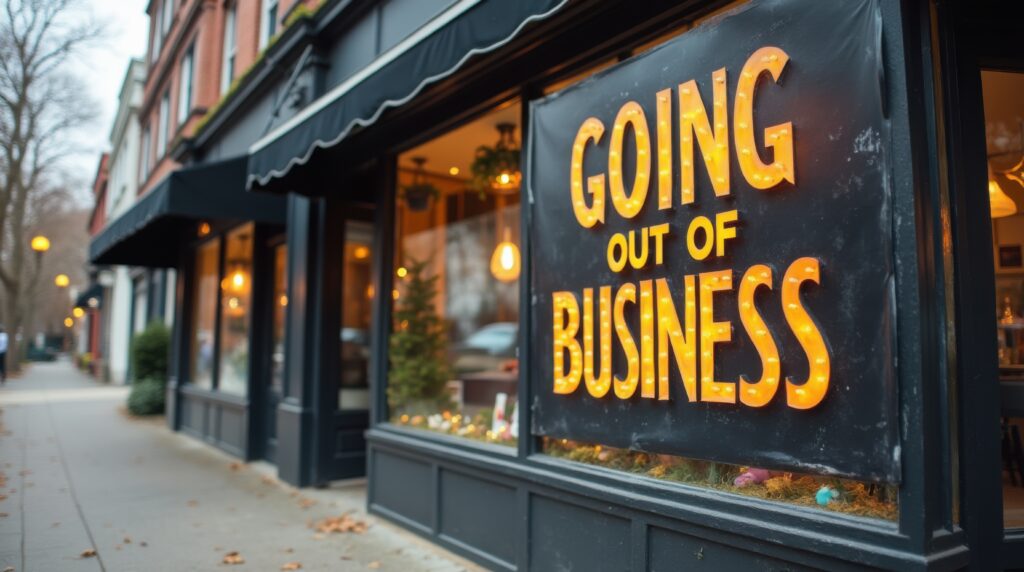
The abrupt closure of Painted Tree Boutiques in Lincoln has sent shockwaves through the local retail and small business community, highlighting both the fragility of boutique retail models and the ripple effects on commercial space.
According to a recent report from KLKN, the Painted Tree location in Lincoln shut its doors without warning, part of a nationwide shutdown impacting more than 60 locations.
A Sudden Shutdown
The closure came as a surprise to vendors, many of whom learned of the decision through an email stating the company would “cease all business operations” effective immediately.
Painted Tree operated as a marketplace concept—essentially a curated collection of small, independent retailers under one roof. Vendors rented booth space and sold items ranging from home décor and gifts to boutique clothing.
In Lincoln, the fallout was immediate:
- Vendors were instructed to retrieve inventory within days
- Some feared losing merchandise if not removed before landlord lockout
- Many had no backup retail channel in place
Impact on Small Businesses
For many local entrepreneurs, Painted Tree wasn’t just another storefront—it was a primary or supplemental revenue stream.
The model lowered the barrier to entry for brick-and-mortar retail, allowing small businesses to:
- Test products in a physical setting
- Build brand awareness
- Reach customers beyond online platforms
With the sudden closure, those opportunities disappeared overnight.
Across the country, vendors described the shutdown as “unexpected” and “disruptive,” with some relying on the income to support their households.
What This Means for Lincoln Retail Real Estate
From a commercial real estate perspective, this closure raises several key considerations:
1. Sudden Vacancy Risk
The Painted Tree location now represents a sizable retail vacancy. Concepts built around multi-vendor marketplaces can be especially vulnerable if the operator fails, as the entire ecosystem disappears at once.
2. Demand for Flexible Retail Space
Ironically, the demand that fueled Painted Tree still exists. Local makers and small retailers still need:
- Short-term leases
- Smaller footprints
- Shared retail environments
We may see increased interest in:
- Pop-up retail spaces
- Co-tenancy concepts
- Flexible lease structures
3. Opportunity for Local Operators
In the wake of the closure, some Lincoln businesses have already begun absorbing displaced vendors, offering alternative space and support.
This could open the door for:
- Local retail incubators
- Hybrid showroom/marketplace concepts
- Community-driven retail models
The Bigger Picture
While no official reason has been confirmed for the shutdown, broader retail pressures—including rising costs and shifting consumer behavior—have been cited in national coverage.
Painted Tree’s rapid expansion, followed by an equally rapid closure, underscores a larger trend:
Retail concepts that depend heavily on scale and vendor participation can be highly sensitive to market shifts.
Final Thoughts
The closure of Painted Tree in Lincoln is more than just a single tenant going dark—it’s a case study in how evolving retail models intersect with real estate.
For landlords, tenants, and investors, it reinforces the importance of:
- Tenant diversification
- Flexible leasing strategies
- Understanding emerging retail formats
And for Lincoln’s small business community, it’s a reminder of both the risks—and resilience—of local entrepreneurship.